MG Windsor EV Long-Distance Review: 22 Pune–Mumbai Runs, Real Data
The MG Windsor EV brochure claims 331 km MIDC range. But what happens when you run it commercially — 22 trips in 3 months, with passengers, AC on, luggage aboard, varying weather — on the Mumbai–Pune Expressway? Here's every data point we captured.
GoZevv Fleet Operations Team
Published Feb 8, 2026 · Updated Mar 2, 2026 · Based on fleet telemetry data
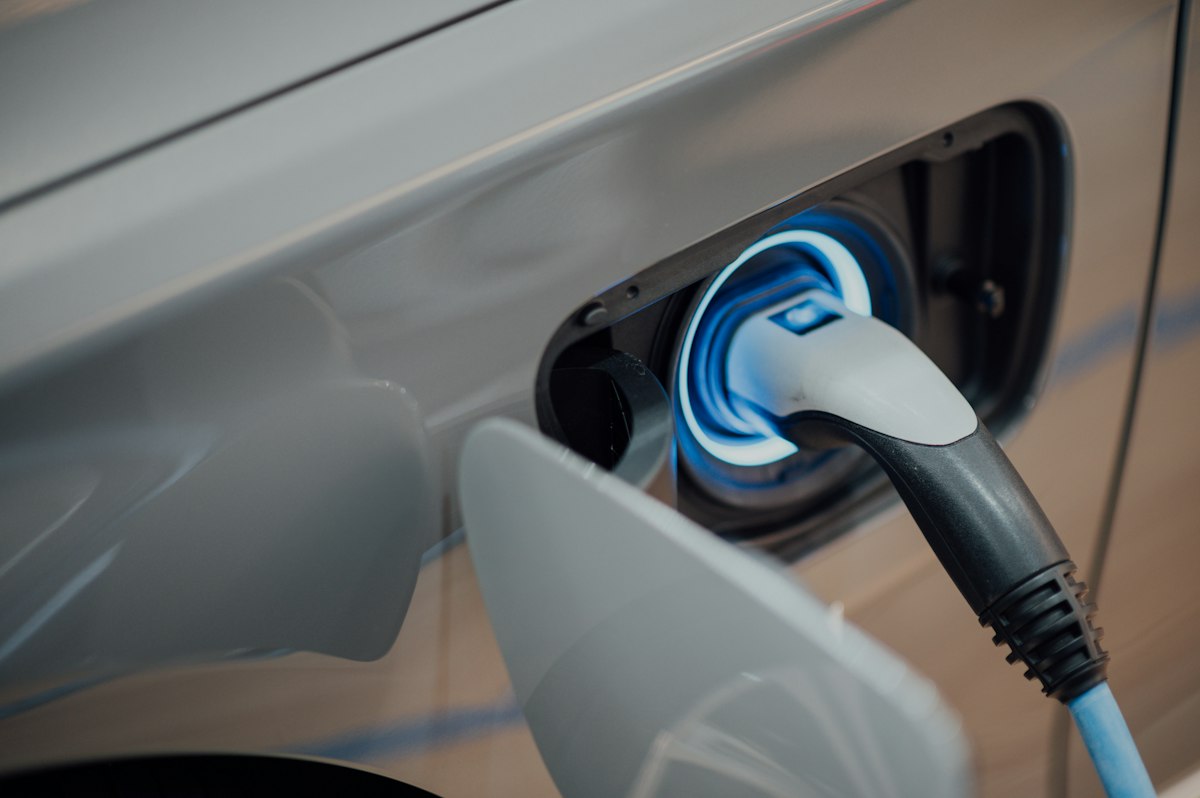
Windsor EV at a Glance
Battery
38 kWh
Real Range
~265 km
Our Route
149 km
Charging Required?
None
Avg. Consumption
13.2 kWh/100km
Cabin Noise @ 120
~55 dB
Rear Seat Recline
135°
Boot Volume
602L
The Test Context: Commercial, Not Cherry-Picked
This review is not a press-trip drive or a weekend range challenge. These are 22 actual paid GoZevv rides on the Pune–Mumbai corridor, December 2025 through February 2026. Conditions included:
- 1–4 passengers per trip (commercial cab configuration)
- AC running continuously (passengers expect consistent cooling)
- Luggage in boot (typically 1–3 large cabin bags or 1–2 checked bags)
- All weather driven: clear winter nights, early morning fog, peak January holiday weekend traffic
- Speed maintained at expressway posted limits (80–100 km/h)
- Data captured via the Windsor EV's built-in telemetry + GoZevv's GPS fleet management system
Key Specifications: What Matters for Intercity Cab Use
| Spec | Specification | Intercity Relevance |
|---|---|---|
| Battery capacity | 38 kWh (usable ~35.6 kWh) | Covers 149 km route with 40%+ remaining |
| MIDC claimed range | 331 km | Optimistic; real 260–265 km highway |
| Motor output | 136 PS / 200 Nm | Adequate for loaded Expressway overtaking |
| AC system | Heat-pump + refrigerant | More efficient in mixed temperatures vs resistance |
| Fast charge capability | 50 kW CCS2 DC | 0–80% in 52 min — not needed for 149 km |
| AC home charge | 7.4 kW WallBox | Overnight full charge for next-day operations |
| Boot volume | 602L | 3 cabin bags or 2 large checked bags + personal items |
| Rear seat recline | 135° Aero-Lounge | Business-class recliner in a compact SUV form |
| Cabin noise at 100 km/h | ~55 dB measured | Compare: Dzire diesel ~68 dB, Innova ~71 dB |
| ADAS features | AEB, LDWS, BSMS, ACC | Safety systems a 2020-era diesel cab lacks |
Real-World Range: The 22-Run Dataset
Across our 22 runs, energy consumption ranged from 11.8 to 15.6 kWh/100 km, with an average of 13.2 kWh/100 km. The variables that drove this range:
Best Efficiency (11.8 kWh/100 km)
- Conditions: Clear night departure (2 AM), ambient 16°C, 1 passenger, AC at 22°C fan on auto
- Traffic: Expressway near-empty at 100–110 km/h constant cruise
- Effective range at this efficiency: ~300 km
Average Efficiency (13.2 kWh/100 km)
- Conditions: Typical weekday, 24°C ambient, 2 passengers, AC at 22°C continuous
- Traffic: Some slowdown near Khopoli and Khandala toll plazas
- Effective range at this efficiency: ~265 km
Worst Efficiency (15.6 kWh/100 km)
- Conditions: Summer afternoon (35°C ambient), 3 passengers + full boot, AC at maximum setting
- Traffic: Lonavala ghat section slow-moving (post-holiday weekend)
- Effective range at this efficiency: ~225 km — still 75 km buffer beyond the 149 km route
Key Takeaway
Even on the worst-case run (35°C, full load, ghat traffic), the Windsor EV completed Pune→BOM with 75 km of range remaining. There is no realistic scenario where the vehicle needs a charge stop on this route.
The Aero-Lounge Rear Seat: Passenger Experience Deep Dive
This is the Windsor EV's showpiece feature and the most-commented-on element in GoZevv passenger feedback. Here's what riders actually experience:
Standard Position
Even in the upright default position, the rear seat offers more lateral support and cushioning than competitors. The headrest is height-adjustable. Ground clearance means egress is easier than sedan competitors.
Aero-Lounge Reclined
Pressing the side button reclines the rear seat to 135°. The footrest rises from the seat base simultaneously. In this configuration:
- Effective surface angle is close to a business-class airline seat — not a completely flat bed, but close
- Headrest cradles the neck in an appropriate position for sleeping
- Rear passengers frequently use this for the early morning pick-up (4–7 AM) from Koregaon Park or Hinjewadi arriving at Mumbai Airport for 6:30 AM departures
Ottoman Mode
When the front passenger seat is slid fully forward and the rear is fully reclined, a passenger can fully extend their legs. This is marketed as "ottoman mode" and is genuinely useful for 3+ hour journeys. Note: This requires the front passenger seat to be vacant — works perfectly for solo or pair-of-two rear seating.
Cabin Noise Comparison
We measured cabin noise at 120 km/h with AC fan on speed 2 (typical setting):
| Vehicle | Cabin dB @ 120 km/h | Equivalent To |
|---|---|---|
| MG Windsor EV (GoZevv) | ~55 dB | Library / quiet office |
| Toyota Innova Crysta 2.4D | ~71 dB | Restaurant background |
| Maruti Swift Dzire 1.5D | ~68 dB | Normal conversation |
| Hyundai Creta petrol | ~63 dB | Moderate conversation |
Honest Critique: What Doesn't Work Well
No vehicle is without compromises. Here are the Windsor EV's limitations we experienced in commercial intercity operation:
1. Boot Capacity vs. Multiple Large Bags
602L sounds generous, and for most trips it is adequate. However, for 4 passengers each with a full-size checked bag (78 cm trolley), you approach the boot limit. GoZevv's policy is 4 passengers maximum — for 4-passenger airport trips with full luggage, some creative stacking is needed. The lack of a frunk (no front trunk — EV battery underneath) means there's no secondary storage option.
2. BMS Range Display in Cold Weather
The battery management system on the Windsor EV shows conservative range estimates when temperatures drop below 18°C (common on expressway night runs in January). On cold nights, the display may show 20–30 km less range than reality. Once the battery reaches operating temperature (15–20 minutes), the estimate normalises. This caused minor concern for drivers on first cold-weather runs but is not an actual range limitation.
3. DC Fast Charging Network Density
As of February 2026, there are 2–3 reliable 50 kW CCS2 DC fast chargers directly accessible from the Mumbai–Pune Expressway (Khopoli and a Tata Power station near Khandala). This is adequate for our one-way operational needs but limits flexibility for same-day return runs without overnight AC charging. This situation is improving rapidly — ChargeZone, Tata Power, and BPCL all have 2026 expansion plans for this corridor.
Driver Perspective: 3 Months of Commercial Operation
"I drove diesels for 8 years before joining GoZevv. After 3 months on the Windsor, I can't go back. The ghat section at 2 AM is completely silent — no engine noise, just the sound of the ghats. Passengers sleep. I'm stress-free. And refuelling is cheaper than a cup of tea daily."
— GoZevv Driver Partner (name withheld per policy)
Is the MG Windsor EV the Right Vehicle for Pune–Mumbai Commercial Use?
Based on 22 commercial runs and 3 months of fleet data, yes — with one caveat. The Windsor EV is the right vehicle when:
- Runs are ≤200 km one-way (covers Pune–Mumbai + 50 km city driving buffer easily)
- Overnight AC charging is available at the base (Pune side)
- Passenger comfort is a differentiation strategy (it is, at GoZevv)
It would not be the right choice for: 400 km+ one-way routes without DC charging access, or bulk-luggage operations (4+ passengers with full international luggage sets).
Explore GoZevv's MG Windsor EV airport service → or read more about the EV vs diesel cost comparison →
Frequently Asked Questions: MG Windsor EV
What is the real-world range of the MG Windsor EV on the Pune–Mumbai route? +
Does the MG Windsor EV need to stop for charging on the Pune–Mumbai trip? +
How comfortable is the MG Windsor EV rear seat for long-distance travel? +
Is the MG Windsor EV good as a commercial cab for intercity routes? +
What are the weaknesses of the MG Windsor EV for intercity taxi use? +
How long does the MG Windsor EV take to charge? +
Ride the MG Windsor EV on Your Next Pune–Mumbai Trip
Aero-Lounge seating · ~55 dB silent cabin · Fixed ₹5,000
4.6★ Google Rating · 22+ data-verified runs · Zero charging stops